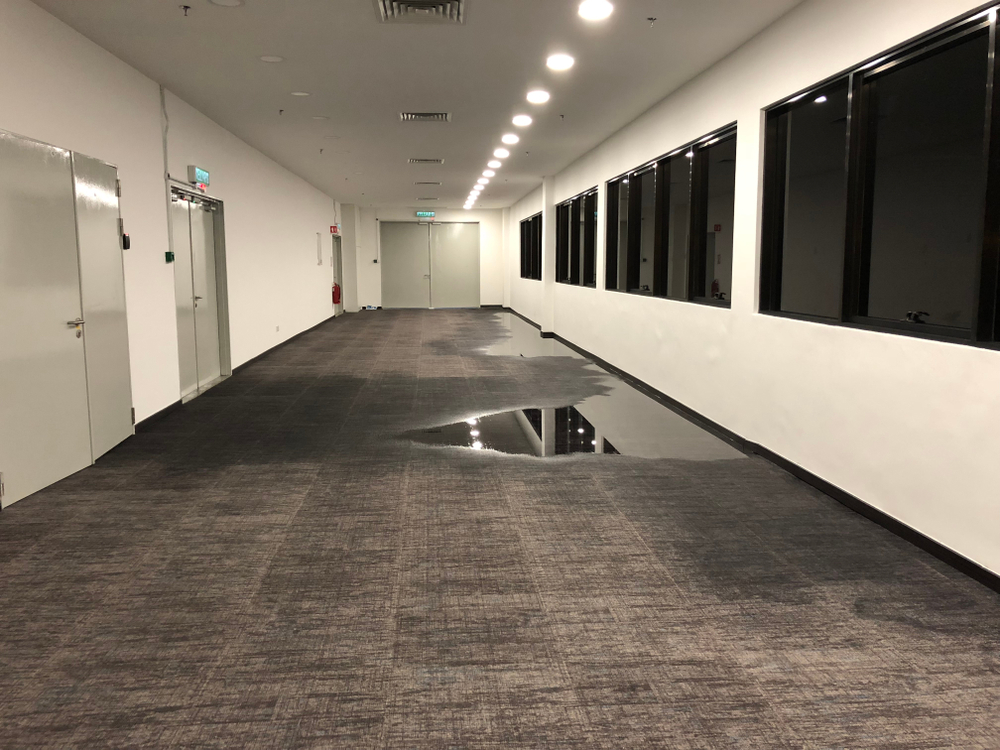
Showing posts with label water intrusion engineering atlanta. Show all posts

Sunday, March 15, 2026

Seal Your Building for the Long Haul – Integrated Fixes That Last

Performing water intrusion engineering on a building envelope
Has your commercial building's leak persisted for years, defying quick patches and previous consultants? 

Wondering why facade issues keep coming back despite spending on repairs? The real fix demands more than surface treatment—it's about engineering your envelope to perform.

Integrated Engineering for Lasting Results

Structural and envelope expertise together uncovers interactions between cladding, anchors, and the superstructure that isolated inspections overlook.

Tools like infrared thermography, borescopes, probing, and drone access enhance hose testing, providing comprehensive evidence for informed repair decisions.

This approach delivers defensible reports, accurate cost estimates, and strategies that restore performance without ongoing surprises.

Why This Works for Your Building

Owners facing chronic leaks—persisting years after occupancy—benefit from this methodical replication and analysis, turning vague complaints into targeted, verified fixes.

  • The result: a secure envelope that withstands weather, minimizes downtime, and preserves asset value long-term.

Read more on our website!

Ready to restore your building’s reliability? Contact us for a no-obligation water intrusion engineering consultation. Let's pinpoint the problem and build a watertight solution for your property today.

Sunday, March 1, 2026

Diagnose Building Leaks with Precision – Why Replication is Key

Person performing water intrusion engineering on a building envelope.
Tired of chasing water stains that reappear after every repair?

Frustrated by tenant complaints about damp interiors or mold in your commercial property?

For building owners, unexplained leaks in the building envelope into profit-draining headaches fast.

Your Challenge with Leaks

Leaks in curtain walls, storefronts, or window systems often stem from failed seals, movement gaps, or hidden pathways that standard inspections miss.

Unchecked, they corrode steel anchors, rot framing, and spawn mold, turning minor defects into costly liabilities for owners and managers.

The solution starts with replicating those leaks under controlled conditions to reveal the true root cause.

AAMA 501.2 Hose Testing as Your Diagnostic Tool

AAMA 501.2 provides a standardized field hose test tailored for installed curtain walls, storefronts, and glazing systems. This test method is often used for all components of the building envelope to locate leaks.

A calibrated nozzle delivers 30–35 psi spray from 1 foot away, methodically tracing joints, perimeters, and interfaces for 5 minutes per section while observers inside track water paths.

This process duplicates storm-like conditions, showing exactly where water breaches the envelope and how it travels to interior damage points.

Read more on our website!

Stop guessing and start fixing. Contact us for a no-obligation water intrusion engineering consultation. Let's pinpoint the problem and build a watertight solution for your property today.

Saturday, March 15, 2025

What is Building Envelope Water Intrusion?

water intrusion, water intrusion engineering
Water intrusion through a building’s envelope—whether it be the walls, windows, roofs, or foundation—is one of the most common and costly issues property owners and managers face. If left unchecked, it can lead to structural damage, mold growth, and compromised indoor air quality, all of which can significantly impact both the safety, longevity, and value of a building.

The building envelope is designed to keep the outside elements, like rain and snow, from entering the interior. But sometimes, despite the best efforts in design and construction, water can find its way in. This is called water intrusion, and it can come from a variety of sources like leaks in the roof, cracks in the foundation, or improperly sealed windows.

Roof (or Plaza Slab): For a roof to successfully keep water out of a building, the bulk water should be shed quickly and efficiently from the roof surface or the drainage layer within a plaza or green roof. Ponding, which is standing water 48 hours after precipitation (rain) is unacceptable. Standing water can break down asphaltic and polymeric roofing material. Water can also freeze and erode embedded gravel UV protective surface. Standing water can also find its way through the smallest of imperfections within the roofing system. For these reasons, ponding also voids roofing warranties. The secondary barrier is the actual roofing material itself.  And the tertiary water management layer is the building's HVAC system that deals with what little moisture enters the building.

Exterior Walls: For a wall to successfully keep water out of a building, the bulk water should be shed quickly and efficiently from the outer wall cladding. Water that penetrates the cladding should be drained and evaporated within a secondary drainage plane backed up by a water-resistant barrier. And the fourth water management layer is the building's HVAC system that deals with what little moisture enters the building.

Read more on our website!

Schedule Your Building Envelope and Water Intrusion Inspection Today

No one likes surprises. Having a building envelope inspection and report done only to realize during the restoration that the budget you were given isn’t enough to complete the project can create unnecessary problems and possibly damage reputations.

We take a very holistic and thorough approach to building envelope inspection, forensic investigation, reporting, and estimating of repair costs. Innovative Engineering’s staff includes engineers with expertise in both structural and building envelope engineering. They also have relationships with reputable restoration contractors with real-time pricing. If you or others have tried unsuccessful to solve water intrusion issues, contact IEI. Chances are they have dealt with similar conditions. If not, they have the education, certifications, experience, and a quiver full of specialized diagnosis tools to diagnose and solve the water intrusion issue.

Saturday, March 1, 2025

Water Intrusion: Prevention and Cure

water intrusion engineering, water intrusion
Water intrusion through a building’s envelope—whether it be the walls, windows, roofs, or foundation—is one of the most common and costly issues property owners and managers face.

Preventing and solving water intrusion problems during the life of the water management system is actually pretty simple. Only a few principles need to be adhered to:
  1. Everything leaks. The entire building envelope including the roof, walls, fenestrations (doors, and windows), penetrations, plaza slabs, and foundations leak.
  2. The entire building envelope needs to have at least 3 layers of water management. The exterior layer should shed the bulk rainwater, the secondary layer should drain the water that passes the other layer, and whatever remaining moisture that reaches the interior of the building gets evaporated within the building’s conditioned air.
Read more on our website!

Schedule Your Building Envelope and Water Intrusion Inspection Today

No one likes surprises. Having a building envelope inspection and report done only to realize during the restoration that the budget you were given isn’t enough to complete the project can create unnecessary problems and possibly damage reputations.

We take a very holistic and thorough approach to building envelope inspection, forensic investigation, reporting, and estimating of repair costs. Innovative Engineering’s staff includes engineers with expertise in both structural and building envelope engineering. They also have relationships with reputable restoration contractors with real-time pricing. If you or others have tried unsuccessful to solve water intrusion issues, contact IEI. Chances are they have dealt with similar conditions. If not, they have the education, certifications, experience, and a quiver full of specialized diagnosis tools to diagnose and solve the water intrusion issue.

Tuesday, October 15, 2024

Preventing Water Intrusion

water intrusion engineering
To protect concrete structures from water intrusion, it is essential to take preventive measures. These may include:

  • Proper design and construction: Ensuring that concrete structures are designed and constructed to be water-resistant, with adequate drainage and waterproofing measures.
  • Regular inspections: Conducting regular inspections to identify and address any signs of water intrusion.
  • Repairing cracks and joints: Promptly repairing any cracks or joints that may allow water to enter the structure.
  • Applying water repellent sealers: Applying water repellent penetrating sealers makes the concrete surface hydrophobic which water absorption into the structure. 
  • Improving drainage: Ensuring that the surrounding area is well-drained to prevent water from pooling around the foundation.

By understanding the risks posed by water intrusion and taking appropriate preventive measures, building owners and managers can help to protect their concrete structures and ensure their long-term durability.

Hiring engineering professionals to investigate water damage is key. Water intrusion engineers have modern technology like thermal imaging, and equipment to detect excessive moisture or mold spores in the air.

Read more in the latest article on our website!

Investing in a Dry Future

Water intrusion engineering is an investment in the longevity and safety of your building. By proactively addressing water issues, you can save money in the long run, ensure a healthy indoor environment, and extend the lifespan of your valuable property. So, if you suspect water intrusion in your building, don’t wait – contact a qualified structural and waterproofing engineer today.


Tuesday, October 1, 2024

The Mechanisms of Water Intrusion

water intrusion engineering

Did you know that 40% of all building-related problems are due to water intrusion?

Most structural deterioration in buildings is due to water, and water intrusion accounts for a whopping 70% of construction litigation. 

Concrete is often considered impervious to the elements. However, water intrusion can pose a significant threat to the long-term integrity of concrete structures. Many water intrusion problems are attributable to human error including detailing, specifications, or installation, so it’s important as a building designer to carefully consider the right system for the conditions, compatible materials, the right prep work and surface preparation, and quality materials. 

There are several ways in which water can infiltrate concrete:

  • Corrosion: When water and oxygen come into contact with reinforcing steel within concrete, it can cause corrosion. 
  • Deterioration: The corrosion biproduct is 5 to 6 times the volume of the parent metal. As the reinforcement expands, it initially cracks then spalls the concrete cover. This coupled with the possible section loss of the reinforcement weakens the concrete structure which can lead to structural failure.
  • Freeze-thaw cycles: Repeated freezing and thawing of water within concrete can cause it to deteriorate.

Read more in the latest article on our website!

Investing in a Dry Future

Water intrusion engineering is an investment in the longevity and safety of your building. By proactively addressing water issues, you can save money in the long run, ensure a healthy indoor environment, and extend the lifespan of your valuable property. So, if you suspect water intrusion in your building, don’t wait – contact a qualified structural and waterproofing engineer today.


Monday, July 15, 2024

The Role of Water Intrusion Engineers


Water intrusion engineering specialists possess a unique blend of engineering expertise and building science knowledge.

The benefits of having your building regularly inspected by an engineer include:

  • Ensures Building Safety: Water intrusion can weaken structural elements and create safety hazards. Engineers can assess the building's vulnerability and recommend solutions to maintain its structural integrity.
  • Promotes Healthy Indoor Air Quality: Mold and mildew thrive in damp environments caused by water leaks. Water intrusion engineers can help prevent these issues, promoting a healthier indoor environment for occupants.
  • Increases Building Lifespan: By addressing water problems early on, engineers can extend the lifespan of your building and prevent premature deterioration.

Read more on our website!

Our engineers specialize in water intrusion engineering in Atlanta and the surrounding areas. If you suspect you have water damage, give us a call. We’ll walk through your property and let you know of any conditions that require immediate attention and what maintenance activities you can perform now to extend the life of your facility.

Monday, July 1, 2024

Why is Water Intrusion Engineering Important?

Water might be the essence of life, but for buildings, uncontrolled water intrusion can spell disaster. Leaky roofs and walls, failing foundations, and overflowing pipes can all lead to structural damage, mold growth, and expensive repairs. This is where water intrusion engineering comes in – a field dedicated to preventing and solving water-related problems in buildings.

Water is a persistent enemy of structures. Left unchecked, it can seep through cracks, undermine foundations, and cause extensive damage to building materials. Here's why water intrusion engineering is crucial:

  • Protects Your Investment: Water damage repairs can be costly. By identifying and addressing potential problems before they escalate, water intrusion engineers can save you significant money in the long run.

Read more on our website!

Our engineers specialize in water intrusion engineering in Atlanta and the surrounding areas. If you suspect you have water damage, give us a call. We’ll walk through your property and let you know of any conditions that require immediate attention and what maintenance activities you can perform now to extend the life of your facility.

Saturday, September 16, 2023

Avoid Costly Repairs with Water Intrusion Engineering

water intrusion engineering atlanta
Have you scheduled an inspection of your facility yet this year? 

Don’t put off inspections, especially if your facility has experienced a high amount of rainfall this year, or if you’ve had water intrusion issues in the past! 

Some water damage is visible to the human eye (discolored walls and ceilings; cracking roof, peeling paint; warped and rotten wood on floors; mold growth), but structural damage inside your walls and floors are harder to spot.

Hiring engineering professionals to investigate water damage is key. Water intrusion engineers have modern technology like thermal imaging, and equipment to detect excessive moisture or mold spores in the air.

IEI specializes in water intrusion inspection and repair for parking structures. Water is the number one cause of parking structure deterioration. Water-saturated concrete can freeze, expand, and spall.

Combined with oxygen, water can also cause corrosion of the concrete reinforcing. Exposure to deicing salts accelerates this process. As reinforcing steel expands as it rusts, this process also leads to concrete spalling. Spalled concrete provides less cover or protection of the reinforcing which leads to further (and accelerated) deterioration if not repaired in a timely manner.

Read more about water intrusion engineering on our website.

The IEI Structural Engineering Advantage

Our engineers at IEI specialize in water intrusion engineering in Atlanta and the surrounding areas. If you suspect you have water damage, give us a call. We’ll walk through your property and let you know of any conditions that require immediate attention and what maintenance activities you can perform now to extend the life of your facility. 

Tuesday, September 5, 2023

Dangers of Water Intrusion

water intrusion engineering atlanta

Water intrusion can impact the structure of your building as well as its occupants. Besides presenting structural issues, water intrusion issues left untreated can result in:

  • Structural deterioration
  • Development of toxic mold
  • Negatively impacting the indoor air quality
  • Wet concrete, puddles, and weakened floors could potentially cause slip and fall accidents

Avoid Costly Repairs with Water Intrusion Engineering

Some water damage is visible to the human eye (discolored walls and ceilings; cracking roof, peeling paint; warped and rotten wood on floors; mold growth), but structural damage inside your walls and floors are harder to spot. 

Hiring engineering professionals to investigate water damage is key. Water intrusion engineers have modern technology like thermal imaging, and equipment to detect excessive moisture or mold spores in the air.

Read more about water intrusion engineering on our website.

The IEI Structural Engineering Advantage

Our engineers at IEI specialize in water intrusion engineering in Atlanta and the surrounding areas. If you suspect you have water damage, give us a call. We’ll walk through your property and let you know of any conditions that require immediate attention and what maintenance activities you can perform now to extend the life of your facility. 

Envelope Inspections Help Reduce Liability

Building owners have a responsibility to maintain safe properties. A proactive building envelope inspection program can help reduce risks as...